Fear and freedom on Oman’s Jabal Akhdar

This article appeared in The Tribune on the 12th of March, 2026. You can view the original article here.
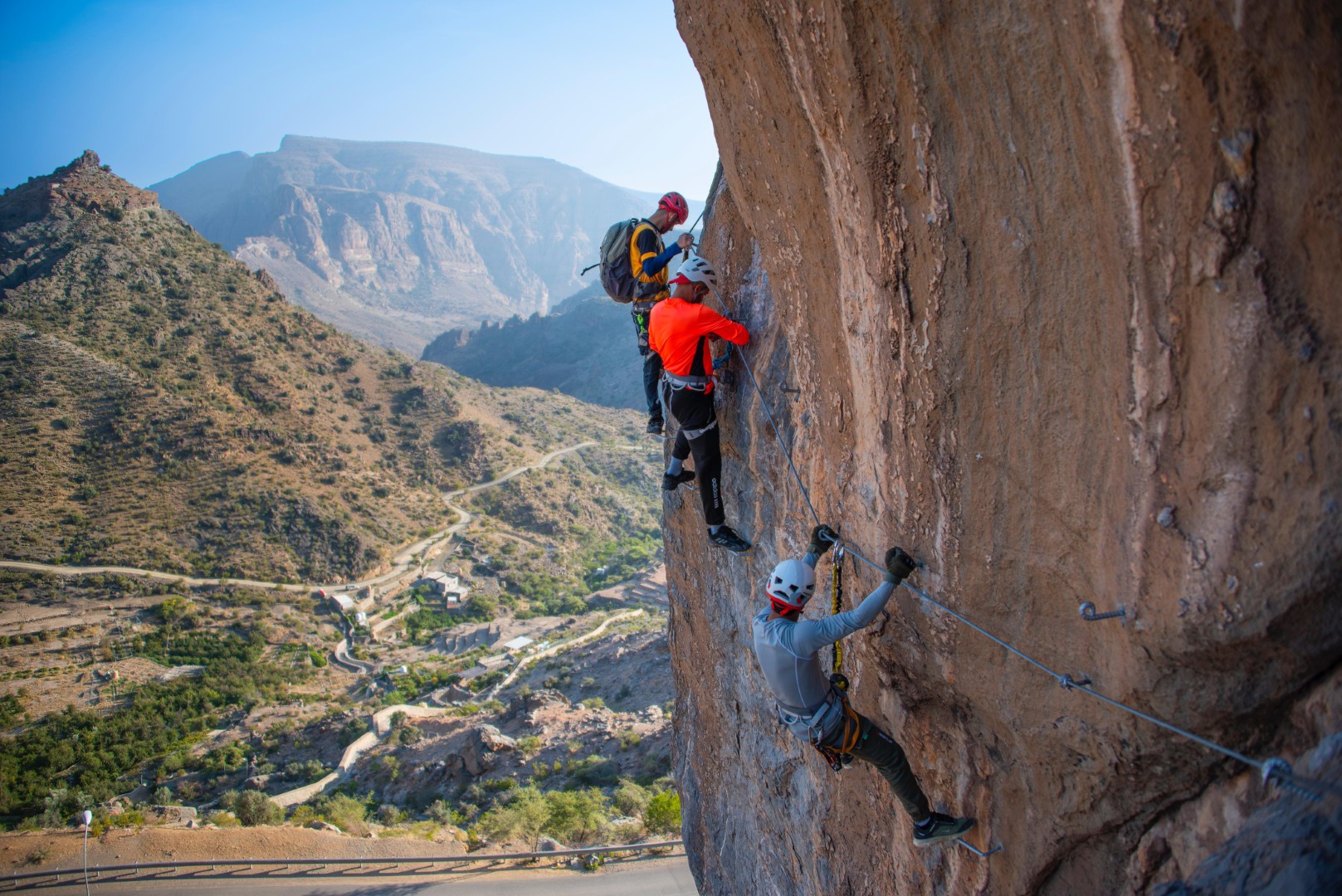
Our little group stood huddled nervously below the towering cliff while our guides, Maddad and Sami from Top Adventure, ran a final check — gloves on, harnesses fitted, helmets secured and carabiners clipped. Sami is right behind me and Khursheed just ahead. I am no stranger to risk-taking, having trekked extensively in the Himalayas, but this Omani adventure is different. I step out onto the rock face, reaching with my foot for the first rung. The ground falls away almost immediately. I narrow my concentration to one singular point of focus and avoid looking down into the yawning chasm. Gingerly, I edge across the sheer wall, willing myself to breathe calmly and slowly and try to fall into a steady rhythm of clip, step, weight shift, breathe.
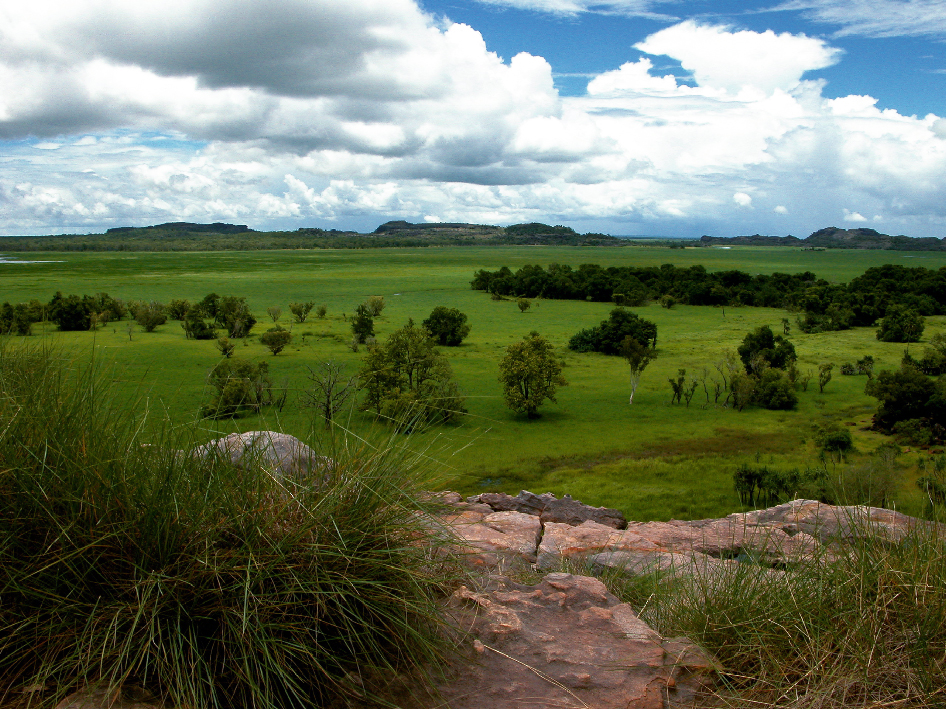
Oman is not what comes to mind when thinking of pure adrenaline-spiking, heart-pumping adventure. But hidden among the Al Hajar Mountains, which stretch from north to south, lies a secret in its lower Jabal Akhdar ranges. In Arabic, this translates as ‘Green mountains’, and we are surrounded by terraced green fields and juniper-dotted slopes, lit up in the alpenglow of the rising sun. Above our helmeted heads is a limestone cliff where one of the country’s most compelling outdoor experiences is about to unfold: the Via Ferrata or ‘iron path’.
The Via Ferrata originated in the Italian Dolomites during the First World War as a military necessity, with soldiers installing cables and ladders to traverse, supply, and defend treacherous, high-altitude alpine terrain. After the War, the concept caught on as a different type of fun adventure activity, being neither hike nor climb, but something in between — a protected route hammered into rock using steel cables, iron rungs, ladders and anchors. From a participant’s perspective, it affords you the freedom to move across exposed cliff faces with security, while preserving the fear factor of being suspended between stone and sky. On Jabal Akhdar, the route is compact — roughly 200 metres — but what it lacks in length, it makes up for in intensity and perspective.
The experience is typically guided, with equipment provided, and best undertaken between October and April when temperatures are mild and visibility is crisp. It is rated moderate, requiring a reasonable level of fitness but no technical climbing background is required, which makes it easily accessible to the casual visitor.
I am beginning to get used to the extreme exposure. It is a lot less dangerous than rock climbing, where even with a belay, you can have a serious fall. The steel cable is reassuring, tracing a clear line forward across the cliff, and as long as you remember to clip on and clip off, you will be fine. The waist harness provides additional protection. Khursheed, the Parsi girl, is clearly finding it stressful and is very slow. Sami orders me to stop and press myself against the rock face. In one acrobatic move, he swings himself across my back and goes to her rescue.
I am beginning to find my rhythm and move slowly across the sheer rock face. It is a repetition of the exact steps which you must perform in the same sequence. Of course, there are tricky bits where you come across a blind corner and have to reach across the void to clip onto the wire and lean out from the cliff’s edge to find your next footing. After one such stressful move, I pause to catch my breath. Ahead of me, the others are strung out like a cluster of brightly-coloured spiders crawling across the pale limestone cliff, worn smooth in places and now lit up by the rays of the rising sun. Across and below is the panorama of the Jabal Akhdar range, spread out with its deep-shaded valleys, towering limestone crags and verdant terraces, all muted gold and layered green.
Just when you feel you are settling down, the course throws you a curveball with a crazy design twist which requires all your focus and ingenuity to cross it. So we have to traverse the fort bridge across a deep fissure in the rock, and another one where you cross on a single rope strung across a canyon while it vibrates like a guitar string, and you along with it! My pulse rate begins to go through the roof and I wonder, not for the first time, what the hell am I doing here?
At 67, I am much older than the other participants, but, perhaps, what I lack in agility and strength, I make up for in experience and mental strength. Having Sami and Maddad there is hugely reassuring — they move across the face with practiced ease, offering instruction when needed and silence when it serves better.
Finally, we are at the end. A metal ladder moves us upwards and onto a narrow stretch of fibreglass pipe. It is such a relief to be on terra firma again. We are hot, sweaty and exhausted. It has taken us two-and-a-half adrenaline-soaked hours to cross the 180-metre-long Via Ferrata but we have done it! For the final step, Maddad clips me onto a zip line, which transports me back in just over 10 seconds across the chasm. I lose my focus and slam ignominiously into a mattress suspended vertically below our starting point. I scramble desperately up the rope aided by a helping hand from Sami above and sprawl at his feet, laughing loudly and uncontrollably!
Long after the equipment is returned and Jabal Akhdar recedes into memory, what I will remember is how I looked deep within and conquered fear itself and the enormous sense of elation and freedom that I felt afterwards. The fact that I completed it while well into my sixties is also proof that age is no bar to adventure. What is critical is your willingness to step off solid ground and to trust in the route, the guides and most of all in yourself.
Know before you go
Duration: Around 2-3 hours, including briefing and zip line return
Difficulty: Moderate; suitable for travellers with reasonable fitness, and even for those with no technical climbing experience
Best time to go: October to April, when temperatures are cool and visibility is at its best